
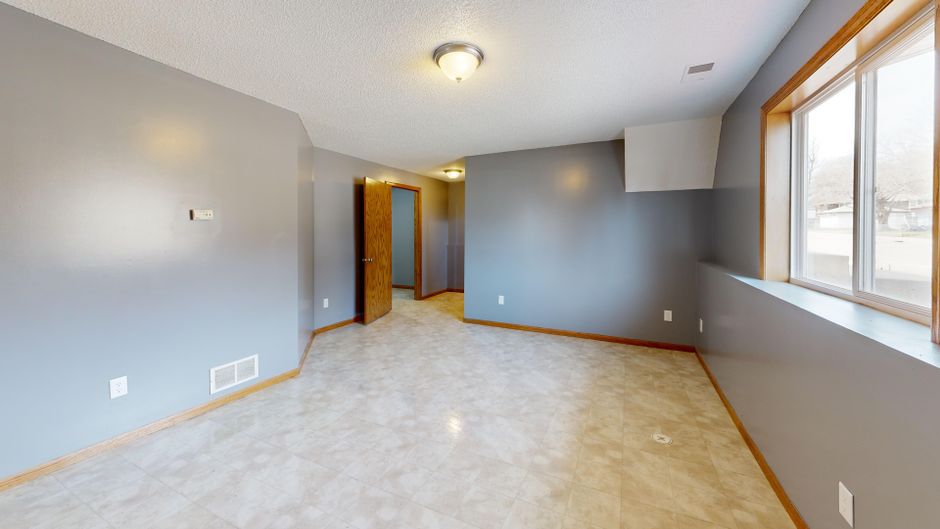
Virtual staging is appropriate when the vacant room is sound and buyers mainly need help understanding scale, layout, and possible use. The property itself must change when the concern affects access, condition, safety, function, or what a buyer will encounter during a showing.
In 1990, NASA had a similar distinction to make after the Hubble Space Telescope began returning blurred images from orbit. The telescope’s primary mirror had been ground to the wrong shape. Engineers could not bring Hubble back to Earth, and the first servicing mission had not yet proved that corrective optics would solve the problem.
NASA’s history of Hubble documents what followed. In 1993, astronauts aboard Space Shuttle Endeavour installed the Corrective Optics Space Telescope Axial Replacement, commonly called COSTAR. Story Musgrave participated in the mission’s spacewalks. The original mirror remained inside Hubble, but the new optics corrected the light reaching several instruments and restored the telescope’s intended imaging performance.
The team changed the viewing system because the underlying telescope could still do its job. That distinction belongs in every conversation about a vacant living room.
Decide whether the problem exists in the image or the property
Picture the listing appointment. The seller stands in an empty living room and expects rented furniture before photography. They have seen staged listings and assume a sofa, rug, lamps, and artwork must physically arrive before the home can compete.
Start with the problem the furniture is supposed to solve.
If the room is clean, accessible, functional, and accurately represented, the problem may exist primarily in the marketing image. Buyers might struggle to judge whether the wall can hold a standard sofa, where a dining area begins, or how an open floor plan could be divided. Virtual staging can provide that visual explanation without arranging delivery, installation, and removal of rented pieces.
Physical work belongs on the other side of the line. A blocked doorway, damaged flooring, unfinished repair, missing fixture, or room that presents poorly during an in-person showing cannot be corrected by adding furniture to a photograph. The published image may attract attention, but the buyer will still meet the actual condition at the property.
A useful test is simple: if the concern disappears when the buyer walks into the room, image-level staging may be enough. If the concern remains, address the property.
Separate visualization from concealment
Virtual furniture should explain plausible use while preserving the room’s material facts. It should not cover damage, alter permanent elements, enlarge the apparent dimensions, remove access constraints, or imply that an improvement conveys with the sale.
That boundary matters because agents remain responsible for the listing they publish. California AB 723 and disclosure requirements in other states make altered-image handling a compliance question, not merely a design preference. MLS rules may add their own requirements. For example, ARMLS requires a Disclosure of Digitally Altered Images when a photo contains virtual furniture.
Disclosure also has to survive the publishing workflow. A label stored in a filename, caption note, or separate folder may not accompany an image after it is downloaded, syndicated, or reposted. A burned-in, per-state disclosure keeps the notice attached to the image itself. Retaining the exact original and a public provenance page gives the agent a clearer record of what changed.
For a closer look at that evidence trail, see Can You Match Every Virtually Staged Image to Its Exact Original?.
Price the decision around the whole listing
Physical staging can cost $2,000 to $8,000 per listing, while listing photography often starts above $230. Those figures can make virtual staging an obvious candidate, but price alone does not settle the decision.
Ask what the seller expects at three separate moments:
- In the listing photos, buyers need an accurate and useful picture of the room.
- In the tour video and MLS remarks, the presentation should remain consistent with those images.
- At the showing, buyers need to encounter the property’s actual access, condition, and function without a material surprise.
NestPath Listing Studio addresses the first two moments using the agent’s own photos. One kit includes virtually staged images with burned-in disclosure and a provenance page, a narrated Remotion tour video, and an MLS-ready text pack with a fair-housing check. The subscription costs $49 per month and includes five kit credits. The free signup credit generates one kit, and additional non-expiring one-kit credits cost $12 each.
That software assists with disclosure and documentation. It does not replace the agent’s legal judgment, MLS review, or state association guidance.
Agents comparing production options should also account for revisions, disclosure handling, video, and listing copy. The staging cost comparison framework separates those costs from the headline quote.
Mark the boundary before ordering furniture
Return to Hubble. NASA did not pretend the mirror was correctly shaped. It documented the flaw, preserved the telescope, and installed a correction at the point where the problem affected the image.
An agent can make the same disciplined distinction. Use virtual staging when the room works and the marketing needs clearer visualization. Repair, clean, rearrange, or physically stage when the buyer’s real-world experience needs to change.
Before approving the first staged image, write one sentence describing the problem. If that sentence concerns buyer understanding, prepare the virtual version and its disclosure record. If it concerns the room itself, leave the rendering queue alone and make a property plan.
Comments
No comments yet.