
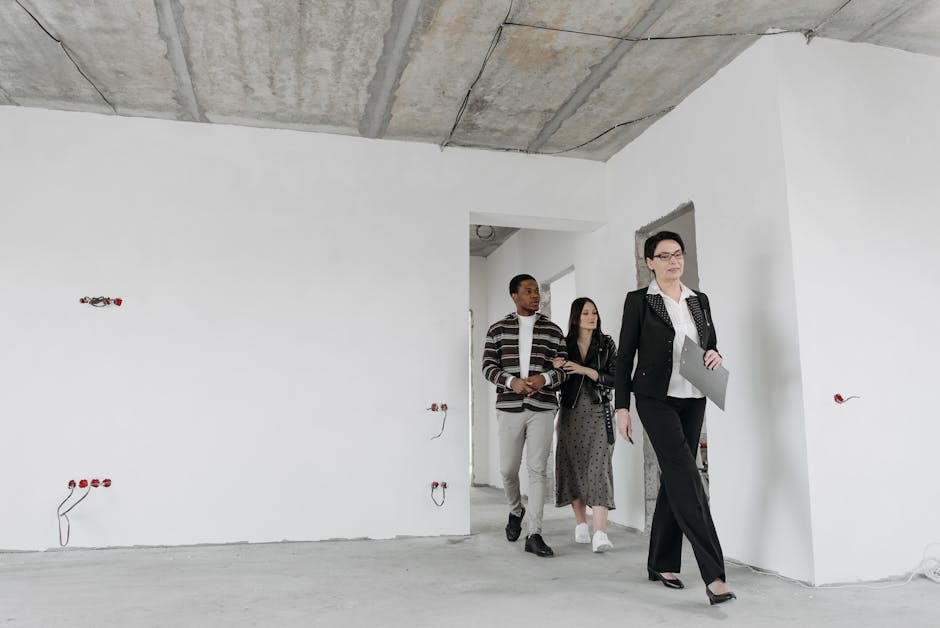
A Saturday visitor sees two versions of the same room: the furnished possibility shown online and the vacant space they physically enter. A visible virtual-staging disclosure prevents the difference from becoming an unpleasant surprise by setting the right expectation before the showing.
In April 1970, Apollo 13’s crew faced a dangerous mismatch. Carbon dioxide was building inside the lunar module, but the command module’s square lithium hydroxide canisters would not fit the lunar module’s round openings. Engineers in Houston had to devise an adapter using materials available aboard the spacecraft, then relay instructions to astronauts James Lovell, Fred Haise, and Jack Swigert.
The improvised system worked. The episode is documented in Lovell and Jeffrey Kluger’s book, Lost Moon.
The stakes in a listing are plainly smaller, but the mechanism is useful: two environments do not align, and someone must make the transition understandable. For a buyer moving from a virtually staged image to a vacant room, disclosure serves as that adapter.
The buyer forms an expectation before Saturday
The buyer first encounters the listing on a phone. The living room may appear with a sofa facing the fireplace, a rug defining the seating area, and artwork giving the wall scale. Those additions can help the buyer understand how the room might function.
They can also establish a mental picture that travels with the buyer to the open house.
By Saturday, the buyer may no longer remember which visual details came from the property and which were added digitally. They remember the impression: the room looked finished, balanced, and ready to use.
Then they walk through the door and find an empty floor.
That difference does not automatically create a problem. Virtual staging is a presentation tool, and a reasonable buyer can understand that. Surprise creates the problem. If the image looked literal and carried no clear disclosure, the buyer has to reconsider what else in the listing might require interpretation.
A burned-in label gives the buyer context at the moment the impression forms. Unlike a note buried in remarks or attached to a separate document, the disclosure travels with the image when it appears in a portal, social post, saved screenshot, or forwarded message.
Clear disclosure protects the handoff to the physical room
The disclosure should make the central fact easy to grasp: the furnishings shown were added digitally. It should remain visible on the published image, not merely exist in the export folder.
That distinction matters because the buyer sees the published asset. The agent’s internal file structure, editing notes, and production history are invisible to them. Reviewing the published image rather than the folder helps catch labels that were cropped, obscured, or lost during upload.
The original photograph also matters. Keeping an exact source image for every staged version gives the agent a direct record of the room before furniture was added. A public provenance page can make that relationship easier to inspect without asking the buyer to take the marketing image on faith.
The practical standard is simple: a buyer should be able to distinguish the property from the presentation before arriving.
That includes more than sofas and lamps. Agents should review staged images for altered walls, windows, doors, flooring, fixtures, views, or room dimensions. Virtual furniture can illustrate use. It should not imply a physical feature that the property lacks. Matching each staged image to its exact original gives the agent a concrete review step before publication.
Compliance begins with the image the public receives
California AB 723 is part of a broader state-level move toward disclosure requirements for digitally altered real estate images. Requirements differ by jurisdiction, platform, and factual situation, so software cannot replace an agent’s legal judgment or current guidance from their state association.
Still, the workflow can reduce preventable gaps.
NestPath Listing Studio turns an agent’s own listing photos into a marketing kit that includes virtually staged images with a burned-in, per-state AI disclosure and a public provenance page. The same kit includes a narrated Remotion tour video and an MLS-ready text pack with a fair-housing check. The subscription costs $49 per month and includes five kit credits, with one kit generated per credit. A free signup credit covers one kit.
Those tools support a disclosure process. The agent remains responsible for reviewing the final images, confirming the applicable requirements, and deciding whether each representation is appropriate for the listing.
Make the Saturday comparison easy
Before publishing, view each staged photo as the buyer will see it. Confirm the disclosure is legible at ordinary portal size. Open the provenance page. Compare the staged version with its original, paying particular attention to permanent property features.
Then walk into the vacant room and look back at the online image.
Could a visitor immediately explain the difference? If the answer depends on a remark they may never have read, the handoff needs work.
Apollo 13’s engineers could not remove the mismatch between square canisters and round openings. They made the connection explicit and usable. Listing agents face a quieter version of that task every weekend: help the buyer move from a designed possibility to the physical facts without losing trust in between.
Comments
No comments yet.