
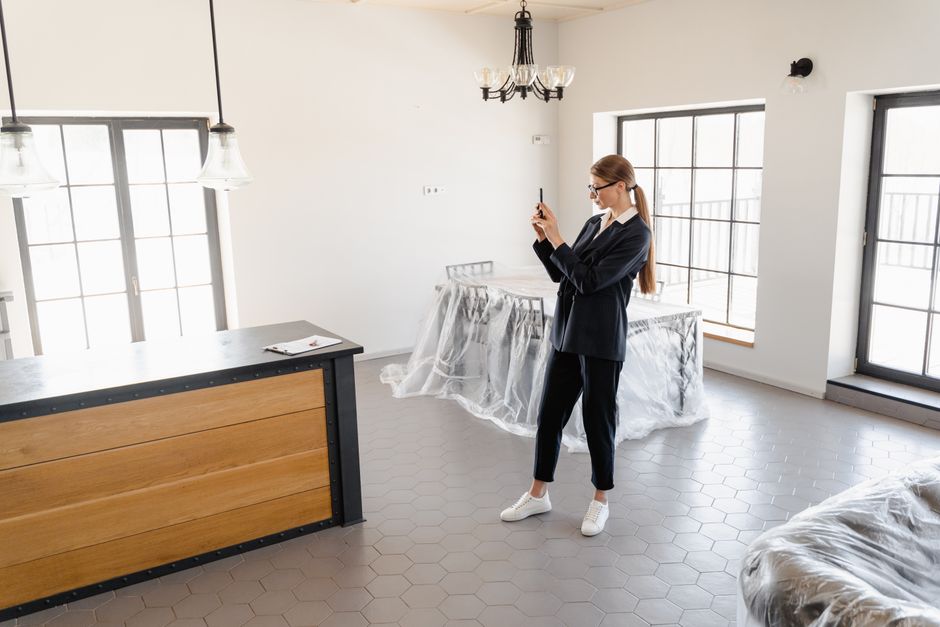
When a social-media apartment tour appears to contradict staged listing photos, the strongest response is a documented original-to-staged record. It lets the agent show exactly what the software changed, where disclosure appeared, and which image entered each marketing channel.
In November 1973, attorneys reviewing White House recordings discovered an 18-and-a-half-minute gap in a conversation between President Richard Nixon and H. R. Haldeman. Nixon’s secretary, Rose Mary Woods, testified that she might have erased part of the tape accidentally. Her explanation did not settle the matter.
A technical panel later concluded that the gap contained several separate erasures. The National Archives preserves the recording and documents the dispute as part of its Watergate collection. The enduring problem was larger than one missing passage: the record could no longer provide a clear, uncontested account of what had happened to the original.
A real estate photo dispute carries radically different stakes. The underlying lesson still applies. When a changed artifact attracts scrutiny, memory and reassurance are weaker than a traceable record.
A thirty-second tour can change the conversation
Picture the sequence without inventing drama. A prospective buyer sees polished listing photos on a portal. Later that evening, a TikTok apartment tour shows the same bedroom without the bed, rug, lamps, or artwork. The room dimensions may be unchanged. The staging may have added furniture only. Yet the side-by-side impression prompts a reasonable question: what else changed?
Comments arrive before the listing agent has assembled an answer. Someone calls the image misleading. Another person reposts the comparison without its disclosure. The agent now has to explain an image that may have passed through a photographer, staging tool, download folder, MLS upload, brokerage site, and social account.
A generic response such as “the room was only virtually staged” leaves the audience dependent on the agent’s assurance. A useful response can show the original photograph, the staged version, the disclosure applied to the distributed image, and a public provenance page connecting them.
That moves the exchange from opinion to inspection.
The record should answer three separate questions
A defensible image trail needs to make three facts easy to verify.
First, what did the camera capture? Preserve the original listing photo rather than overwriting it with the staged file. A filename ending in “final-final-2” does not establish lineage.
Second, what changed? Place the original and virtually staged versions together so a reviewer can identify added furniture, removed clutter, or other alterations. If the room’s structure was changed, that deserves separate scrutiny. Virtual furnishings and architectural edits do not create the same buyer expectation.
Third, what did the public receive? The working file in an agent’s folder matters less if an unlabeled export reached the MLS, a portal, or social media. Keep the actual distributed asset, including its burned-in disclosure, tied to the provenance record.
This is why a polished image may still be unready for distribution. Visual quality does not answer the compliance question. The agent still needs to verify current state rules, MLS requirements, brokerage policy, and guidance from the relevant state association.
California AB 723 makes that verification especially concrete for agents working with digitally altered real estate images. Roughly 38 other states also have AI-related real estate rules or requirements in play. NestPath assists with per-state disclosure, but software cannot replace the agent’s legal judgment about a particular listing or channel.
Provenance keeps a correction factual
A public challenge creates pressure to answer quickly. Provenance helps an agent answer quickly without guessing.
The response can be plain: “Here is the original photo. Here is the virtually staged version. The furniture was added digitally. The distributed image includes the required disclosure, and this page documents the pair.”
If the staged image escaped without its label, the same record supports a direct correction. Replace the asset, document where it appeared, and avoid claiming the process worked when it did not. A vanished disclosure can create its own cost and credibility problem.
NestPath Listing Studio builds this record from an agent’s own listing photos. One kit includes virtually staged images with a burned-in per-state AI disclosure, a public provenance page, a narrated Remotion tour video, and an MLS-ready text pack with a fair-housing check. The subscription costs $49 per month and includes five kit credits per paid invoice. One free signup credit covers one kit, and additional non-expiring kit credits cost $12 each.
Those details matter because provenance should live inside the production process. Reconstructing it after a post gains attention is slower and less reliable.
Keep the original before anyone asks for it
The Watergate tape gap remains memorable because later explanations could not restore the missing record. A listing agent can avoid the smaller, modern version of that problem by preserving the source before generating the staged image.
For the next listing, retain the original file, connect it to every staged derivative, confirm the disclosure remains visible after export, and open the public provenance page from a device that is not logged into your account. Then verify the final assets in each channel where they will appear.
If a social-media tour raises a fair question that night, the answer is already documented.
Comments
No comments yet.