
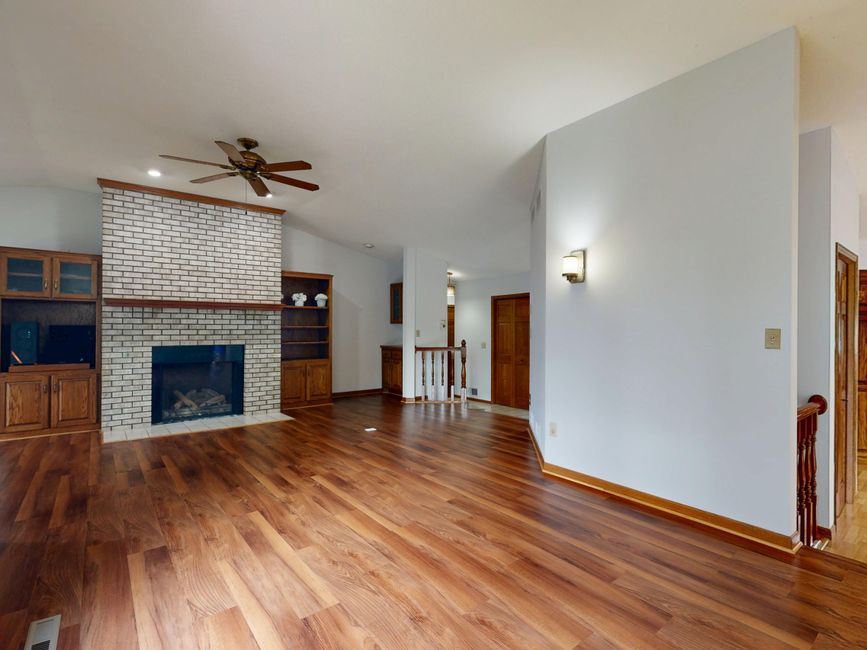
A sofa, rug, or dining table added to a listing photo is virtual staging. A wall added, removed, widened, or relocated changes the depicted structure, which can give buyers a materially different understanding of the property.
In 1999, NASA’s Mars Climate Orbiter approached Mars with two teams relying on numbers that appeared compatible. They were not. Software produced by Lockheed Martin used pound-seconds, while NASA’s navigation system expected newton-seconds. The mismatch contributed to the loss of the spacecraft near Mars.
The values were both measurements of force. Treating them as interchangeable was the failure.
NASA’s mishap investigation, chaired by Arthur Stephenson, documented the unit mismatch and the process failures around it. The lesson for listing imagery is smaller in consequence but similar in mechanism: broad labels conceal distinctions that matter. “AI-generated” tells an agent almost nothing about what changed.
Furniture changes the presentation
Virtual staging places removable furnishings or decor into an image of an existing room. A vacant living room may receive a sofa, coffee table, rug, lamps, and wall art. Those additions help a buyer understand scale and possible use without claiming the objects convey with the home.
The underlying room should remain the room the camera recorded. Walls, windows, doors, ceiling height, flooring, built-ins, views, and room dimensions belong to the property itself. They shape a buyer’s understanding of what is being offered.
That makes the buyer’s question useful, even when it is imprecise. “Was this wall AI-generated?” may mean:
- Was the artwork on the wall added?
- Was the wall color changed?
- Was a doorway removed?
- Was an entire partition invented?
- Can I see the original photo?
Each version calls for a different answer. An agent cannot respond accurately by saying only that the image was virtually staged.
Structural edits change the represented property
A digitally added chair presents one possible use of the room. A digitally removed wall presents a different room.
That difference should guide the agent’s review. If an image changes a permanent feature, the issue extends beyond furniture disclosure. The image may misstate the property’s layout, condition, fixtures, or sightlines. A disclosure label can identify AI involvement, but it does not make a misleading structural alteration acceptable.
California AB 723 and disclosure rules in roughly 38 other states make AI-photo disclosure part of an agent’s operating reality. Requirements differ, and agents still need to apply their own legal judgment and state association guidance. The practical review should go further than asking whether a label appears.
Compare every edited image with its source. Check the boundaries of the room. Look at doors, windows, stairs, fireplaces, built-ins, counters, flooring transitions, and exterior views. If one of those changed, stop and determine whether the image still represents the listed property accurately.
This is also why provenance matters. A public record connecting the marketed image to its original gives the agent, reviewer, and buyer something more useful than a generic AI notice. The question becomes checkable.
For a related review process, see Can You Match Every Virtually Staged Image to Its Exact Original?.
Disclosure and provenance answer different questions
A burned-in disclosure answers: “Was AI used here?”
The original image and provenance record answer: “What changed?”
Agents need both. A visible disclosure can survive a screenshot, download, or repost when it remains burned into the image. A provenance page provides the comparison needed to distinguish a virtual sofa from a missing wall. Neither replaces the agent’s responsibility to review the final marketing asset.
NestPath Listing Studio builds that distinction into a listing kit made from the agent’s own photos. The kit includes virtually staged images with a burned-in, per-state AI disclosure and a public provenance page, plus a narrated Remotion tour video and an MLS-ready text pack with a fair-housing check. The subscription costs $49 per month and includes five kit credits per paid invoice. One credit produces one kit; additional non-expiring credits cost $12 each. A free signup credit lets an agent generate one kit before subscribing.
Those controls support review and documentation. They do not certify that every edit is legally acceptable or replace current guidance from counsel, a brokerage, or a state association.
Give the buyer a precise answer
When a buyer points at a wall, pull up the original image. Identify the exact edit in plain language: furniture was added, decor was added, or a permanent feature appears different. If the structure changed, remove the image from the marketing set until it can be corrected.
NASA’s Mars Climate Orbiter was lost because a broad category, “force data,” hid an important difference between two units. Listing agents face a more ordinary version of that problem when “AI-generated” hides the difference between staging a room and redesigning the property.
The safest response starts with the source photo. Put it beside the edited version, inspect the permanent features, and answer the buyer’s actual question.
Comments
No comments yet.