
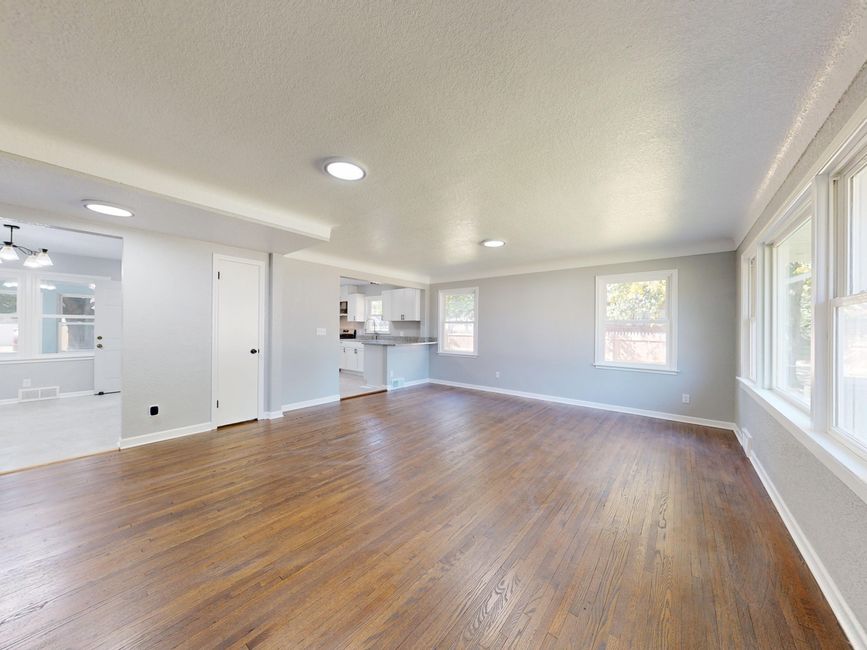
At 3 PM on Friday, hold the listing if the staged set cannot be matched to a verified, image-level disclosure and the original files. Publish the original photos if they are ready and accurate; publish a corrected staged set only after the disclosure, files, and public record line up.
In 1970, Apollo 13 had a problem with a deadline that could not move. Jim Lovell, Jack Swigert, and Fred Haise were in a damaged spacecraft with carbon dioxide rising, while engineers in Houston had to make square lithium hydroxide cartridges work in a round fitting using materials already available to the crew. NASA’s Apollo 13 Flight Journal documents the improvised solution and the uncertainty before it was proven aboard the spacecraft.
A Friday listing decision has lower stakes, obviously. The operating principle is useful: when the material is wrong for the system it has to enter, do not force it through because the clock is uncomfortable. Choose the version of the listing you can support, then correct the rest.
Start with the disclosure check, not the launch pressure
The first branch is simple: can you verify the staged images carry the required disclosure in the form your state, MLS, and brokerage expect?
For an agent listing in California, AB 723 makes altered images a concrete compliance question. Similar AI-photo disclosure rules exist in many other states. A disclosure in private notes, an email from a vendor, or a vague mention in MLS remarks may not solve an image-level requirement. Check the actual image file and the published presentation before relying on it.
If the disclosure is missing, mismatched, cropped away, or attached to the wrong photo, do not treat it as a small finishing task. It changes the Friday decision.
Hold the staged set while you correct it. If the listing must go live, move to the original-photo branch.
That choice can feel expensive when a seller expects polished rooms and a photographer already cost $230 or more. It is still cheaper than publishing a staged image you cannot explain later. Image-level disclosure and MLS remarks solve different problems, so verify both where they apply.
Publish original photos when they are your cleanest record
Original photos are the practical fallback when staged files fail the disclosure check and there is no time to rebuild them correctly.
Before publishing, confirm that the originals are the actual source images, accurately represent the property, and belong in the listing you are launching. Keep the original file set alongside the staged versions. You may need to show what changed if a buyer, broker, MLS, or seller asks later.
Use the originals without trying to disguise the fallback as a full marketing kit. Your listing can go live with accurate photography and an MLS-ready description, then receive a corrected staged set after review. A clean original set gives you a defensible baseline. It also prevents a rushed Friday edit from becoming a Monday explanation.
This is where the Apollo 13 comparison holds. Mission Control did not pretend the available parts were interchangeable. The team worked from the equipment actually on hand. Your original listing photos are the equivalent operational record: limited in presentation, but known, attributable, and ready to publish.
Use corrected staging only after three records agree
A corrected staged set earns the go-live decision when three things agree:
- Each staged image has the verified disclosure required for its use.
- The staged file maps to the correct original photo and property.
- The public provenance page or retained record identifies the source and altered version clearly enough for later review.
That third check matters. A perfect disclosure burned into a bedroom image does little if the provenance link leads to another listing, an outdated kit, or no accessible record at all. The file, disclosure, and public record should describe the same work.
Run this review image by image. Check the living room, primary bedroom, exterior, and every photo where staging or AI enhancement appears. A single corrected hero image does not repair an unreviewed gallery. For a practical retention standard, see what record to retain after using an AI staging tool.
Virtual staging can improve presentation. It does not remove the agent’s responsibility to use accurate marketing or follow state and association guidance. Treat the disclosure check as part of listing production, alongside confirming square footage, remarks, and photo order.
Put the decision in writing before Friday arrives
Create a short internal rule for every listing: staged photos publish only when the final files, disclosure, and provenance record are verified. If one item is missing, publish approved originals or hold the listing until the corrected set is ready.
That rule reduces the temptation to make a different judgment at 3 PM for every seller, every vendor, and every deadline. It also gives an assistant, transaction coordinator, or broker a clear escalation point: missing disclosure means no staged upload.
Apollo 13’s crew returned safely because the response was built around what could be verified and made to fit. Your listing workflow needs the same discipline. Keep the original files, verify the disclosure on the actual staged images, and let the cleanest supported set determine Friday’s go-live.
Comments
No comments yet.